It’s amazing in a city like Paris we heard about Racines and ended up there. What a wonderful restaurant this is. Located in a colorful alleyway with other restaurants and small bars, this restaurant is a gem. Italian food with French flair, don’t hesitate to enjoy. The staff is so friendly and welcoming, wonderful food and drinks, enjoy!
Overview
Tucked away at Additional 8 Pass. des Panoramas, 75002 Paris, France, Racines feels like one of those places you almost want to keep to yourself. I remember the first time I stepped into Passage des Panoramas on a rainy evening; the covered arcade was buzzing softly, and the warm glow from the dining room drew me in instantly. The setting alone already sets the tone-historic Parisian charm mixed with an unpretentious, modern bistro vibe.
The menu leans toward seasonal French-Italian cuisine, and that balance is where the restaurant really shines. On my last visit, I ordered handmade pasta with wild mushrooms and aged parmesan. The texture was spot on-al dente, with a silky sauce that clung to every strand. It’s the kind of dish that seems simple, yet clearly reflects serious technique. According to the Institut Paul Bocuse, precision in pasta hydration and resting time can significantly influence texture and flavor absorption. You can taste that level of care here.
What stands out most is the sourcing. France’s farm-to-table movement has gained strong traction over the past decade, with data from the French Ministry of Agriculture showing increasing consumer demand for local and seasonal produce. The ingredients at this address reflect that shift. Vegetables taste vibrant, cheeses are expressive, and the wine list focuses heavily on natural and biodynamic bottles. If you’re into low-intervention wines, you’ll appreciate the curated selection. The staff doesn’t just hand you a menu-they walk you through the origins, the winemakers, and even the soil conditions that shape each bottle’s profile.
I once asked our server about a particular orange wine I hadn’t tried before. Instead of a quick answer, she explained the skin-contact process, how it alters tannin structure, and why it pairs beautifully with fatty dishes like burrata or charcuterie. That level of detail signals genuine expertise. It’s no surprise that the restaurant has caught the attention of respected guides such as the Michelin Guide, which has highlighted similar establishments in the area for their authenticity and ingredient-driven cooking.
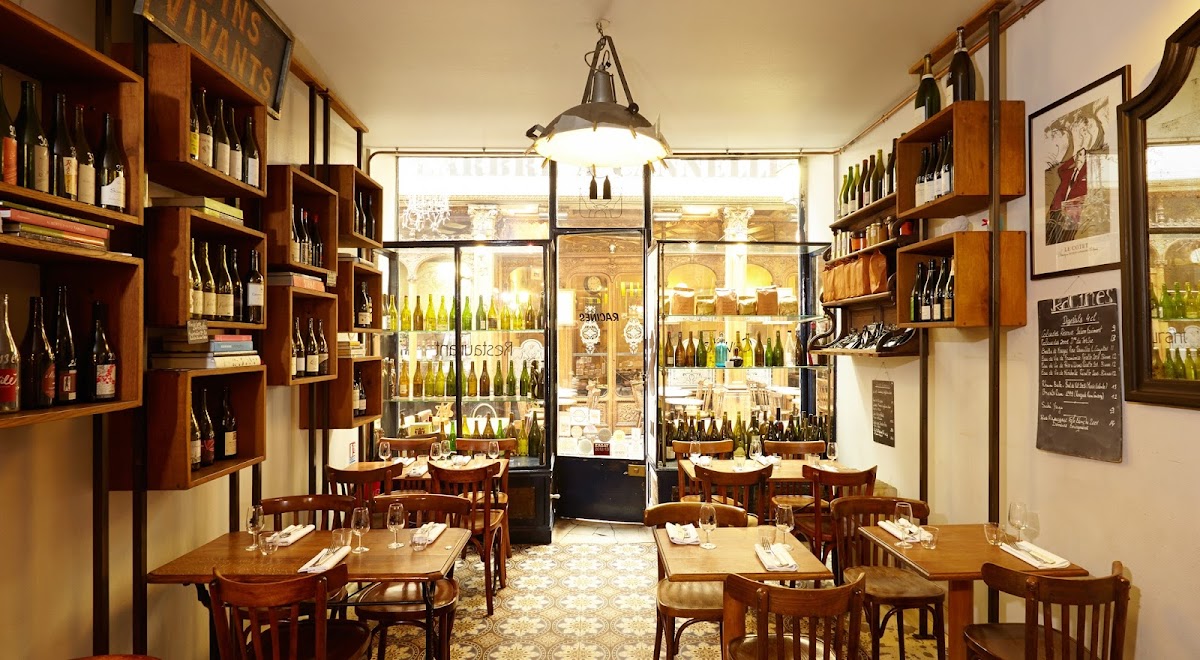
The dining room itself is intimate but lively. Wooden tables, close seating, and shelves lined with wine bottles create an atmosphere that feels both rustic and urban. If you’re planning a visit, booking ahead is wise, especially on weekends. The location in the 2nd arrondissement makes it convenient for both locals and travelers exploring central Paris. Reviews frequently mention the welcoming service, and from my experience, that praise is justified. The team strikes a balance between relaxed and knowledgeable, never hovering yet always attentive.
One of the most memorable dishes I tried was a slow-cooked pork shoulder served with roasted root vegetables. The meat was tender enough to cut with a spoon, yet it retained structure-a sign of controlled, low-temperature cooking. Culinary research published by organizations like the World Association of Chefs’ Societies confirms that slow braising at consistent heat enhances collagen breakdown without drying out protein. Again, this isn’t accidental; it’s skilled execution.
Dessert followed the same philosophy. A simple tart with seasonal fruit and lightly sweetened cream reminded me that good pastry doesn’t need excessive sugar or decoration. The focus remains on balance and clarity of flavor.
Of course, like any popular Paris restaurant, space can feel tight, and the noise level rises during peak hours. If you’re looking for a quiet, romantic dinner, timing matters. Early reservations tend to be calmer. Still, the buzz is part of its charm. It feels alive, full of conversation and clinking glasses.
In a city overflowing with bistros and wine bars, this spot manages to stand out by staying grounded in technique, quality sourcing, and genuine hospitality. Whether you’re scanning reviews for your next dinner plan or simply wandering through Passage des Panoramas, this address delivers a dining experience that feels thoughtful, skillful, and deeply rooted in both French and Italian culinary traditions.
Good to know
Service options
✓ Outdoor seating ✓ Dine-in ✓ Delivery ✓ TakeawayHighlights
✓ Great coffee ✓ Great wine listPopular for
✓ Lunch ✓ Dinner ✓ Solo diningAccessibility
✓ Wheelchair-accessible entrance ✓ Wheelchair-accessible seating ✓ Wheelchair-accessible car parkOfferings
✓ Alcohol ✓ Beer ✓ Cocktails ✓ Coffee ✓ Healthy options ✓ Small plates ✓ Spirits ✓ WineDining options
✓ Lunch ✓ Dinner ✓ Catering ✓ Dessert ✓ Seating ✓ Table serviceAmenities
✓ ToiletAtmosphere
✓ Casual ✓ Cosy ✓ Romantic ✓ TrendyCrowd
✓ TouristsPlanning
✓ Lunch reservations recommended ✓ Reservations required ✓ Dinner reservations recommended ✓ Accepts reservationsPayments
✓ Credit cards ✓ Debit cards ✓ NFC mobile paymentsParking
✓ ParkingPhotos
1 / 4
Location
Reviews
- No ratings yet 706 reviews
The meatballs were incredibly flavorful and layered, juicy, rich, and satisfying without feeling heavy at all. The crudo was light and refreshing, with a perfect sweet and tangy balance that paired beautifully with a cocktail. The fried veal really surprised me!! it looked plain and a bit dry at first, but the taste was simple, clean, and absolutely delicious, with very tender meat. The pasta was more on the homestyle side, nothing too special. We didn’t have a reservation but luckily got a table outdoors, highly recommend coming here!
Service in here was great from start till finish. Super friendly and very attentive without being intrusive. The food was a little more to the pricier side, but very delicious. Pasta was better than many of the restaurants we’ve tried in Italy. Multiple vegetarian options as well, so we can definitely recommend this place if you’re looking for a place with both soul and quality.
Suuuper cute, intimate Italian restaurant tucked away in the gorgeous passage des panorama. Friendly service, fresh delicious pasta. Beautiful table setting. Stairs to bathroom very tiny so not very accessible but still highly recommend :)
What a venue! Truly amazing atmosphere and design. Lovely staff, very intimate and good food. Highly recommend the Milanese!! Absolutely delicious. The rest of the meal lacked a little in salt but other than that it was great
A hidden gem for Italian food in a magical Paris setting Racines was one of our favorite meals in Paris. Tucked away in a stunning covered passage, the setting feels like a secret escape from the city. We sat outside under the glass roof, which made the whole experience feel even more special. The food is Italian, simple in the best way, and beautifully executed. The gnudi was a standout—light, flavorful, and perfectly prepared. You can tell they care about ingredients and let them speak for themselves. Service was excellent. It’s a small place, but everyone we interacted with was wonderful, and clearly cared about creating a great experience. It all felt personal and unrushed. Highly recommend if you're looking for thoughtful Italian cooking in a one-of-a-kind Parisian atmosphere.